
Melbourne Warehouse Labour in 2026: What the Peak Season Numbers Are Telling Us
Distribution operators across the western and northern suburbs are quietly absorbing record peak volumes. What our placements data shows about turnover and shift demand.

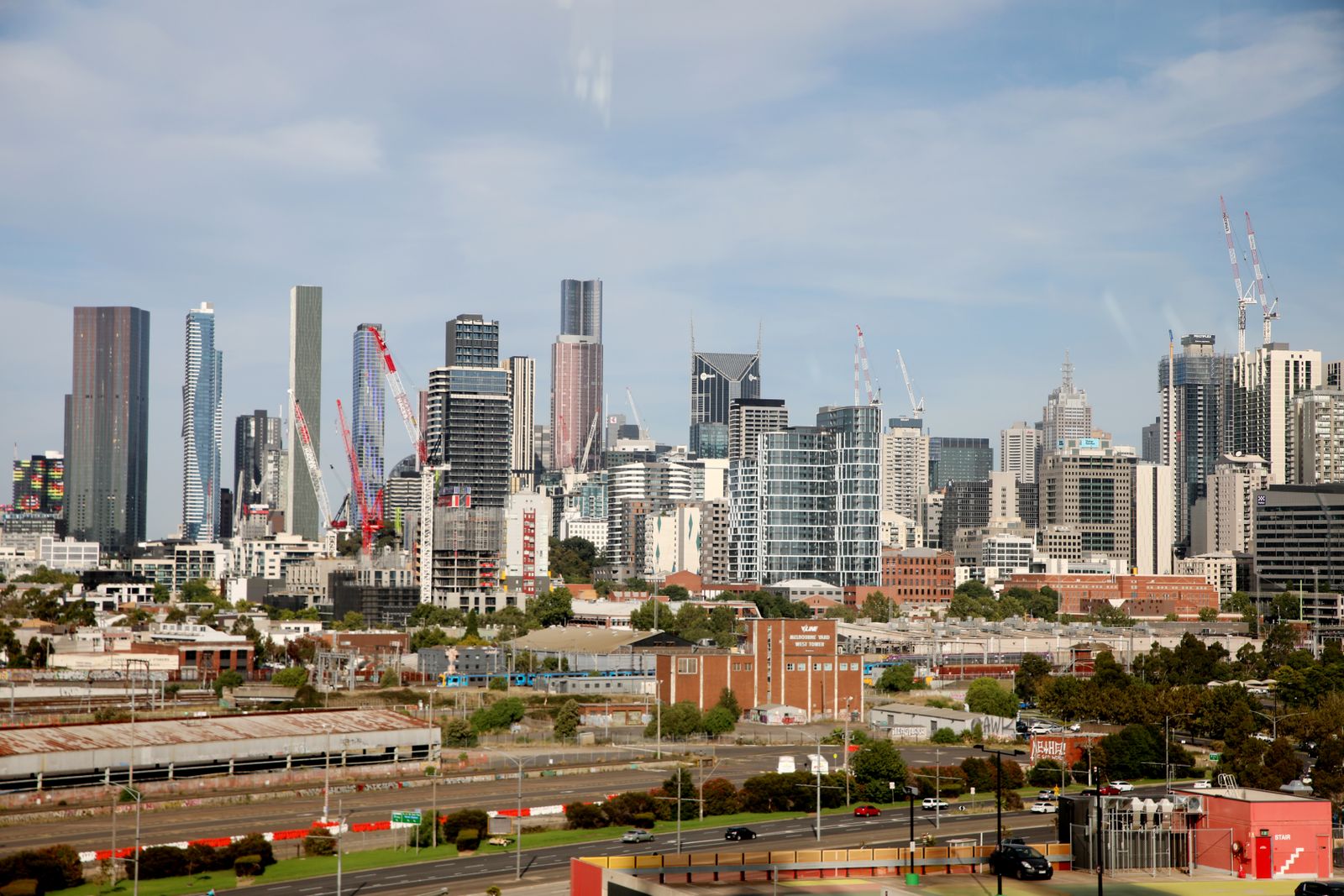
Across the 12 months to December 2025, our placement data shows warehouse and distribution shift demand in metropolitan Melbourne rising 14 per cent year on year, with the western and northern suburbs absorbing the largest share. The pattern points to a structural shift, not a one-off peak.
Where the growth is coming from
Three drivers stand out: ongoing e-commerce penetration in homewares and electronics, the consolidation of regional distribution into Melbourne-based hubs, and renewed investment in cold-chain capacity. Each of these touches a different worker profile - pickers, forklift operators and team leaders respectively.
What the turnover numbers say
Industry-reported turnover for casual warehouse labour sat at 78 per cent annualised in 2025 - high, but down from the 92 per cent peak in 2023. The operations holding turnover below 40 per cent share three habits:
- Predictable rosters with at least two weeks of forward visibility.
- Genuine path-to-permanent for high performers (often through casual conversion).
- Frontline supervisors trained in coaching, not just scheduling.
Where shift demand is hardest to fill
Saturday afternoon shifts and the 22:00 - 06:00 night block in cold-chain warehouses remain the hardest to fill. Premium rates help but do not solve the problem alone. The operators that fill those slots consistently have built a stable core of workers willing to take them - usually because the shift suits their personal lives.
What we recommend for 2026 planning
Lock your peak window now. Operators booking labour pipelines in October for the November - January peak see better quality and lower premium rates than those booking in November. RELAY Labour Hire opens peak planning conversations with major hosts from September each year.